

We map how the work actually happens before proposing architecture. Software that forces a team to change a working process to suit the tool gets abandoned within a year.
Custom platforms
Our platform engineering practice
Portals, dashboards, internal tools and the integrations between them - engineered for the operations that off-the-shelf software cannot cover, and designed to be extended rather than replaced.
Discuss your platform
OUR ADVANTAGES
Why teams commission a platform instead of stitching together more SaaS.
We map how the work actually happens before proposing architecture. Software that forces a team to change a working process to suit the tool gets abandoned within a year.
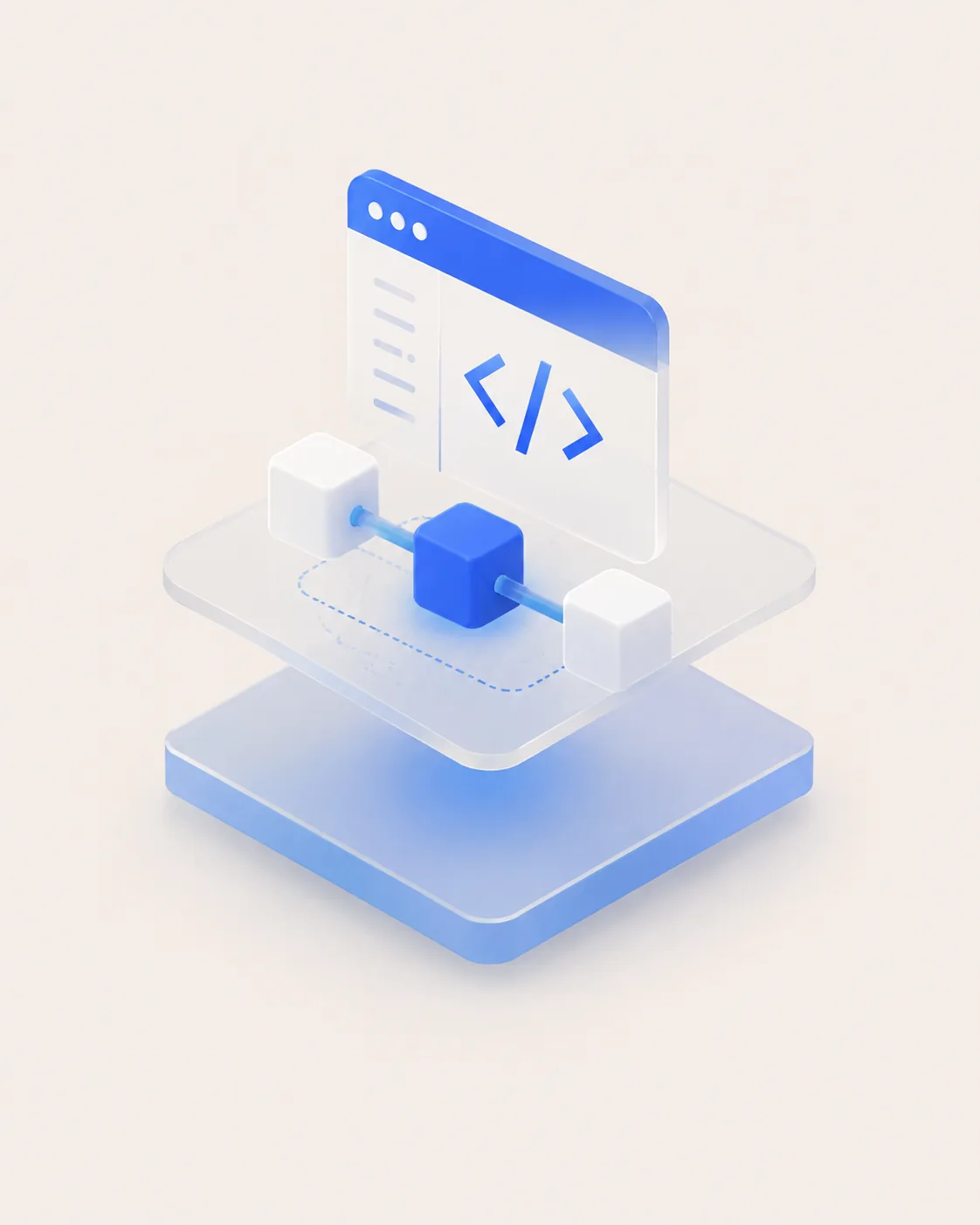
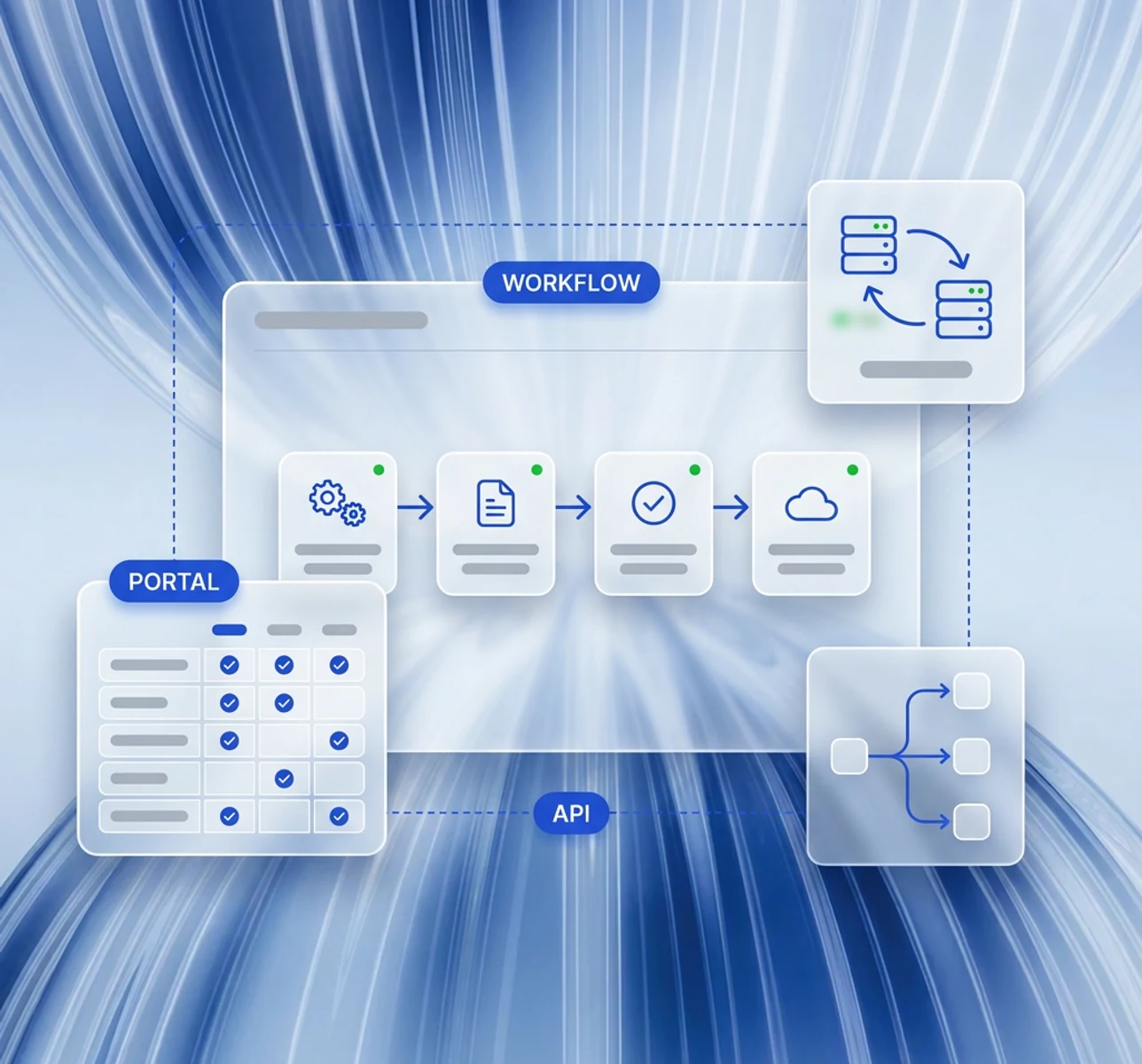
Reliable API workflows between the platform, your CRM, ERP, payment providers and internal systems - with error handling and retries, so data does not silently stop moving.
Role-based access, sensible data modelling and modular structure. Adding a department, a market or a feature should be an increment, not a rebuild.
Monitoring, dependency and security updates, and a named contact who knows your system. A platform nobody maintains becomes a liability faster than a website does.
Our team is ready to map the process and build the system around it. Are you?
Discuss your platformWHAT WE BUILD
Secure login areas with role-based permissions, so clients, partners or field teams see exactly the data they should and nothing else.
Real-time metrics pulled from the systems you already run, presented as decisions rather than raw tables, with per-role views.
The repetitive multi-step processes your team runs by hand - approvals, routing, notifications, document generation - moved into software.
Purpose-built back offices for inventory, scheduling, content or case management, replacing the spreadsheet that quietly became business-critical.
Bridging tools that were never designed to talk to each other, so records flow automatically instead of being rekeyed between systems.
HOW IT WORKS
Platform projects fail on unclear requirements far more often than on technology. Our process front-loads that risk.
We document the current workflow, the systems involved and where time is actually lost, then agree which parts are worth automating and which should stay manual.
Data model, permissions and integrations designed first, then delivered in working increments you can review - so direction is corrected early rather than at handover.

Migration of existing data, training for the people who will use it daily, then ongoing monitoring, updates and iteration as the process evolves.