

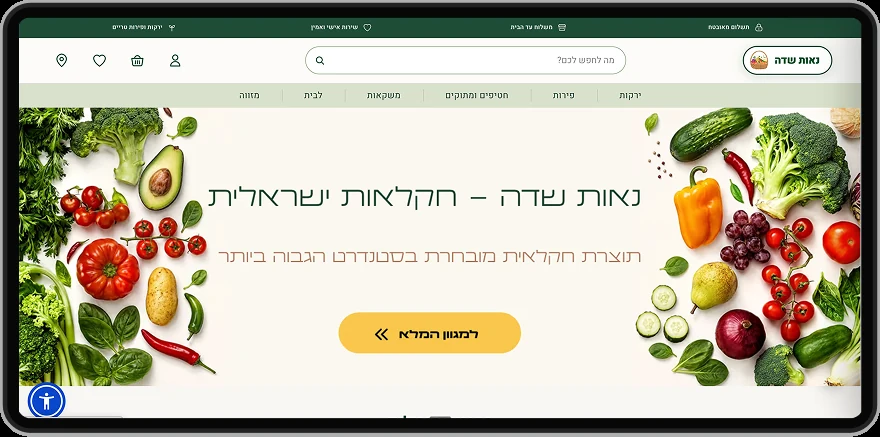
Our work Selected projects
Seventeen live projects: four online stores, marketing and lead-generation sites across cosmetics, grooming and personal brands, work in real estate and mortgage advisory, and three AI and operations platforms for clients in Canada. All written in code by our team, and all in production today.
Start a project
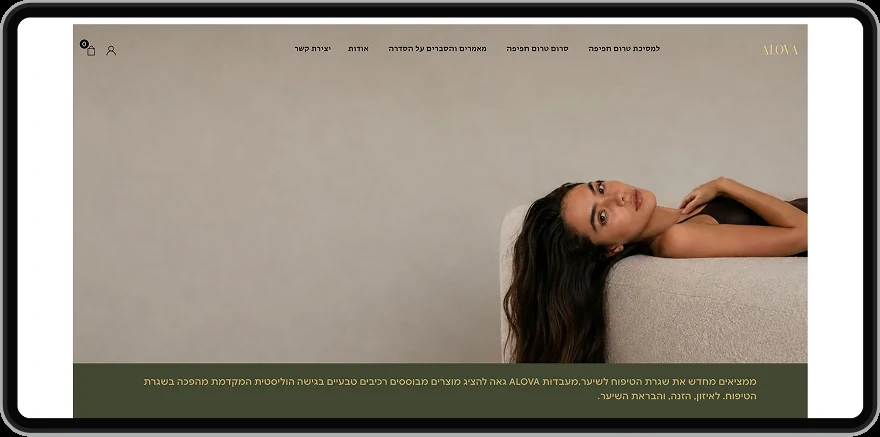
ALOVA — hair care store
ShopifyOnline storeUI/UX
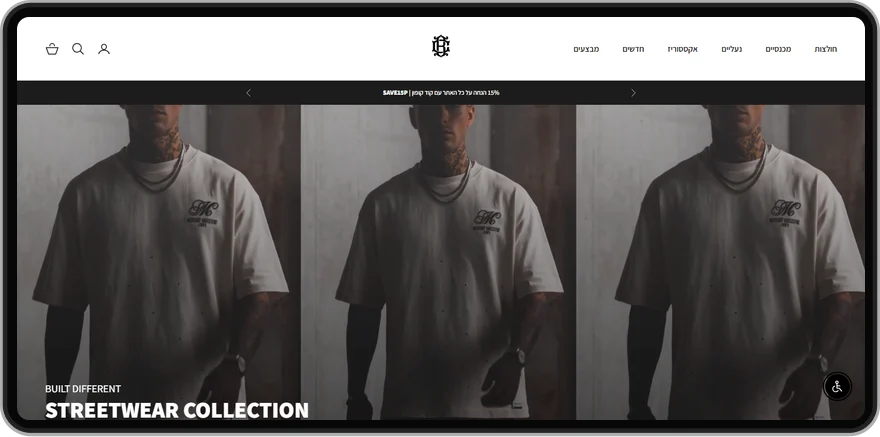
Bradley — streetwear store
ShopifyOnline storeFashion
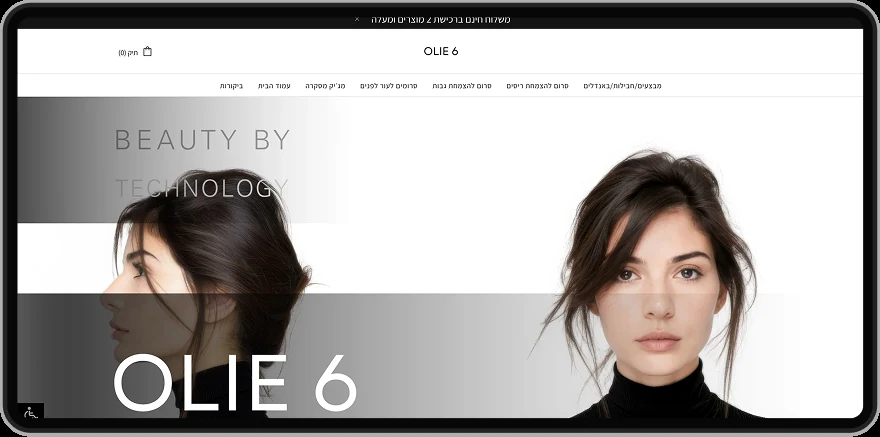
Olie 6 — olive oil store
ShopifyeCommerceUI/UX
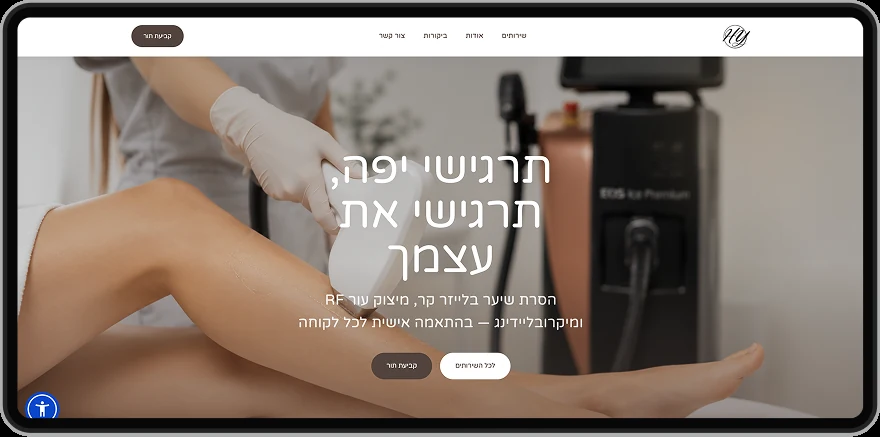
Hofit Cosmetics — treatment booking
Landing pageUI/UXLead captureWhatsApp
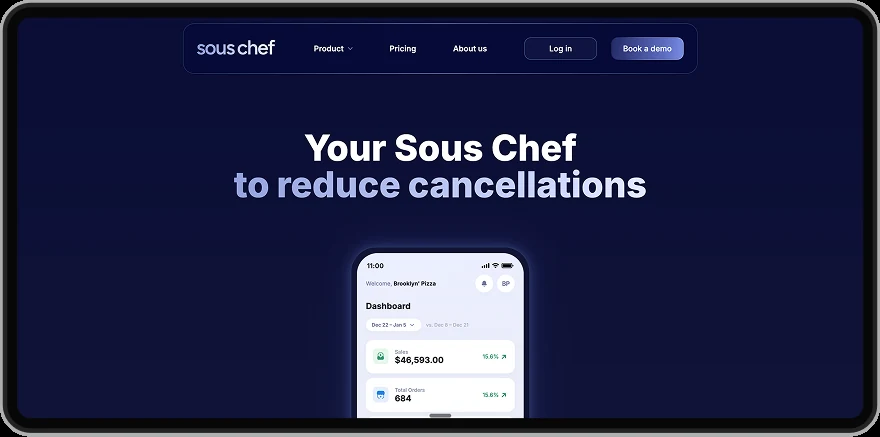
Sous Chef — SaaS product site
SaaSProduct siteUI/UX
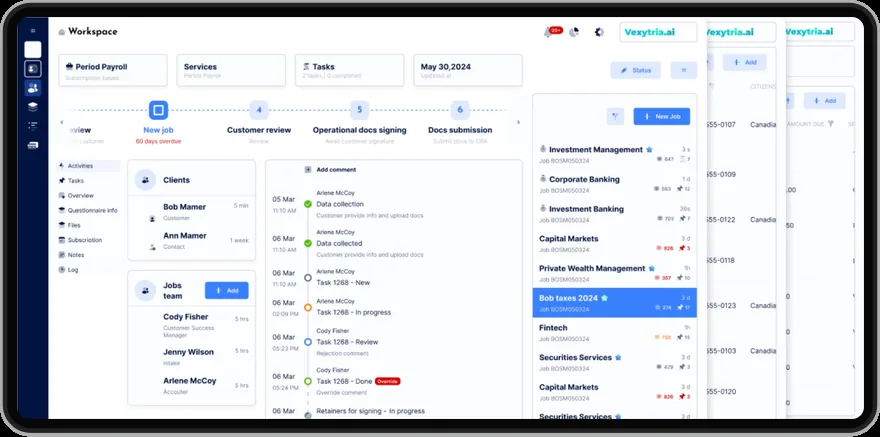
Zentax — AI accounting platform
AIFinTechWeb and mobile
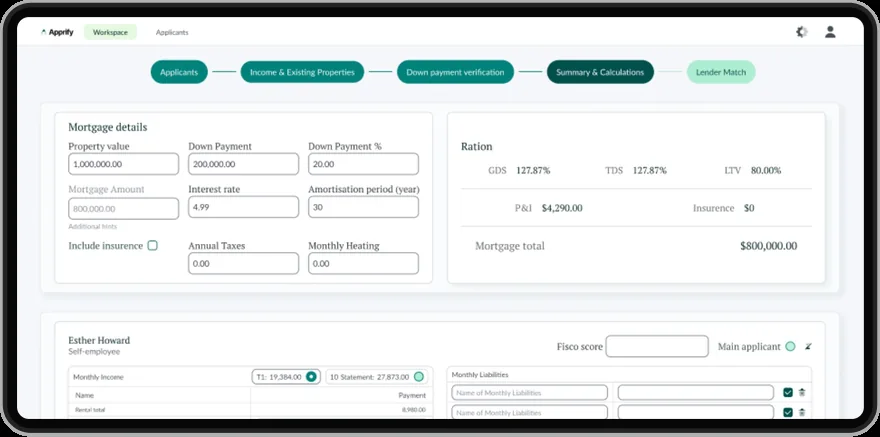
Apprify — AI mortgage processing
AIFinTechLLM
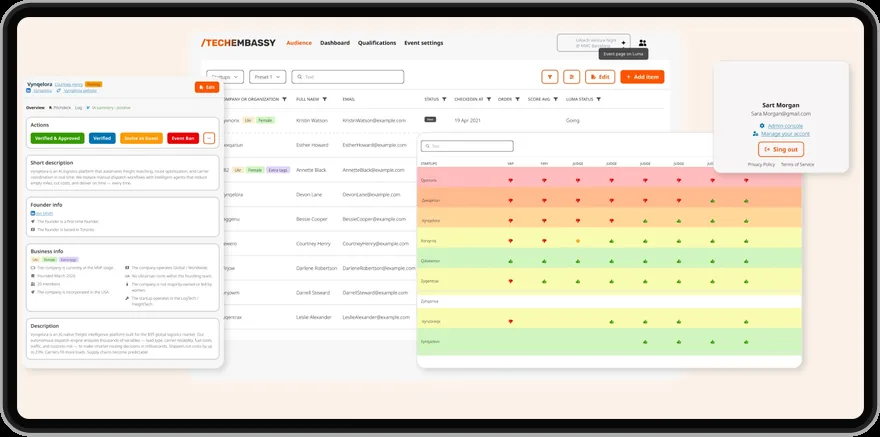
Tech Embassy — event operations
PlatformReact NativeLuma
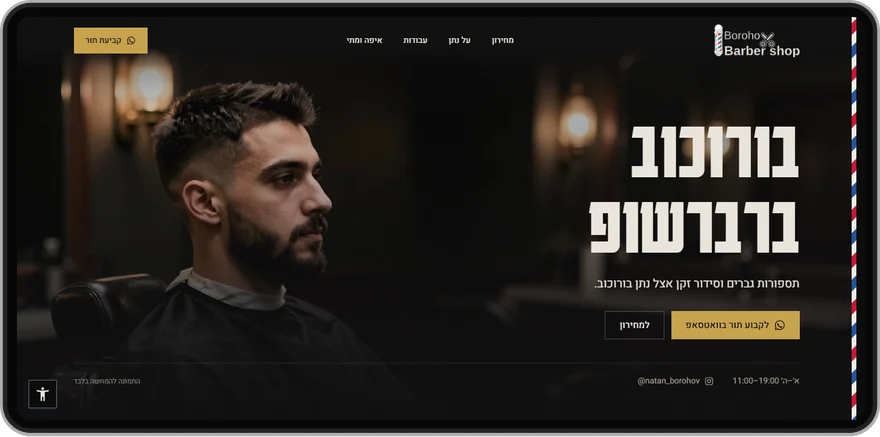
Natan Borochov — barbershop
Brand siteWhatsAppUI/UX
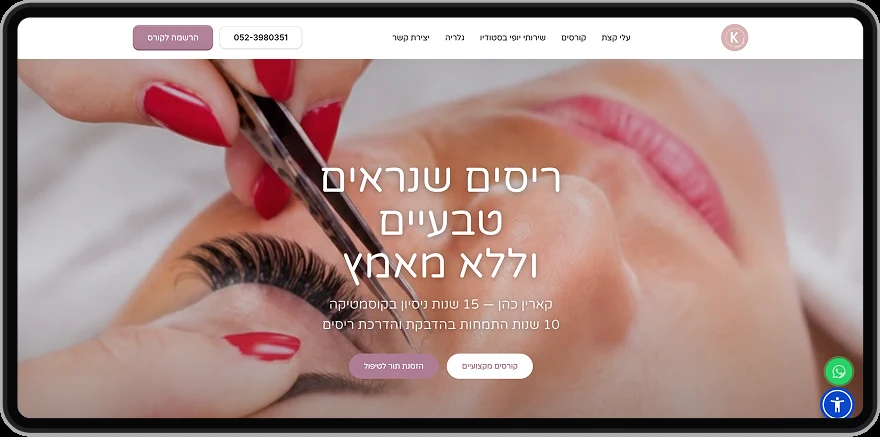
Karin Cohen — lash academy
Landing pageUI/UXLead captureWhatsApp
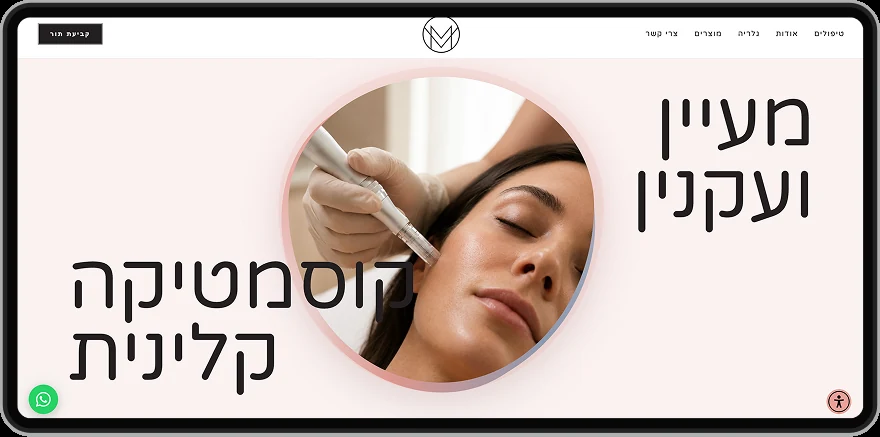
Maayan Vaknin — clinical cosmetics
Landing pageUI/UXAccessibilityLead capture
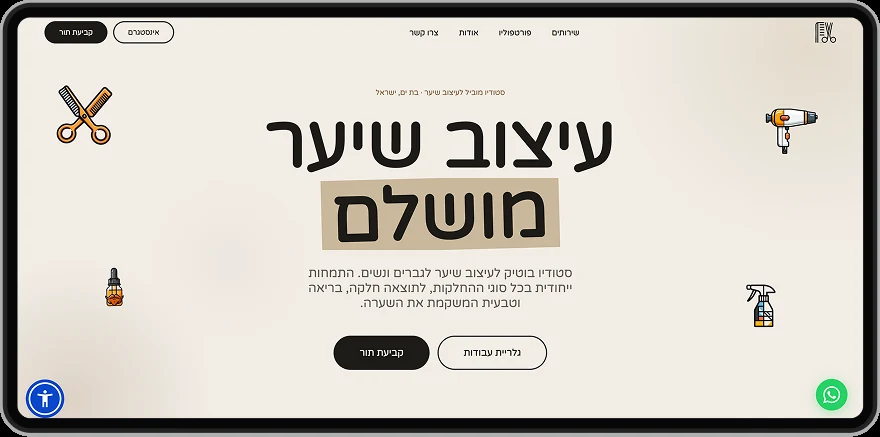
Eli Ben Yitzhak — hair design
Landing pageUI/UXWork galleryWhatsApp
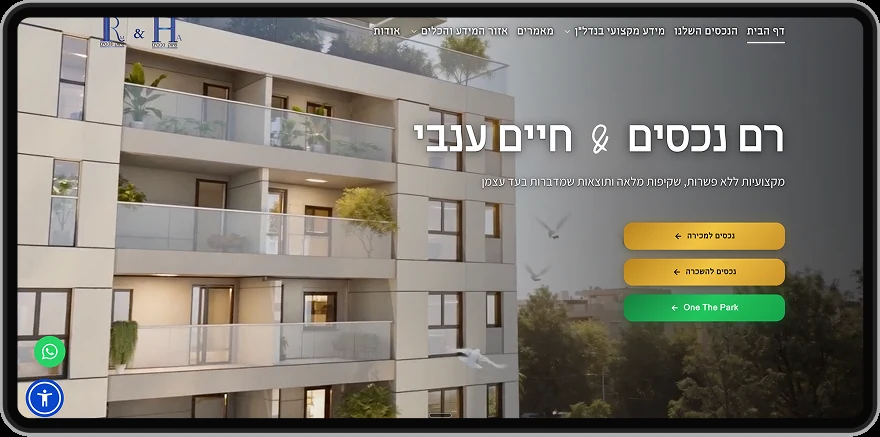
Ram and Haim — real estate marketing
SEOReputationDigital assets
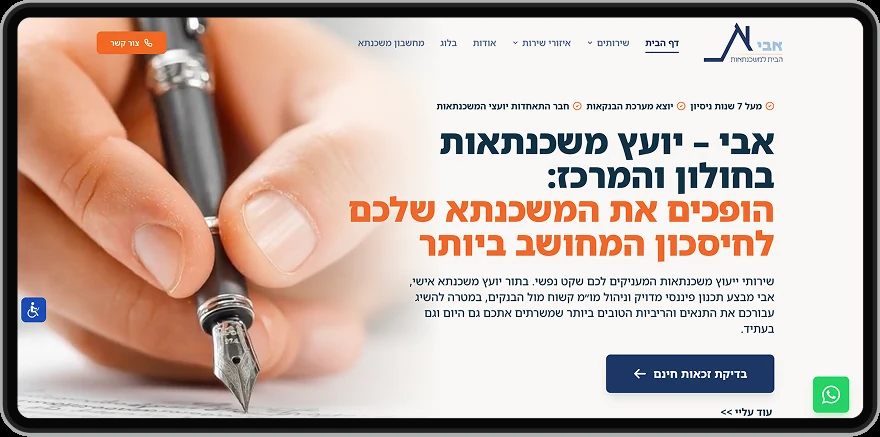
Avi — mortgage advisory
BrandingLanding pagesMeta adsFunnel
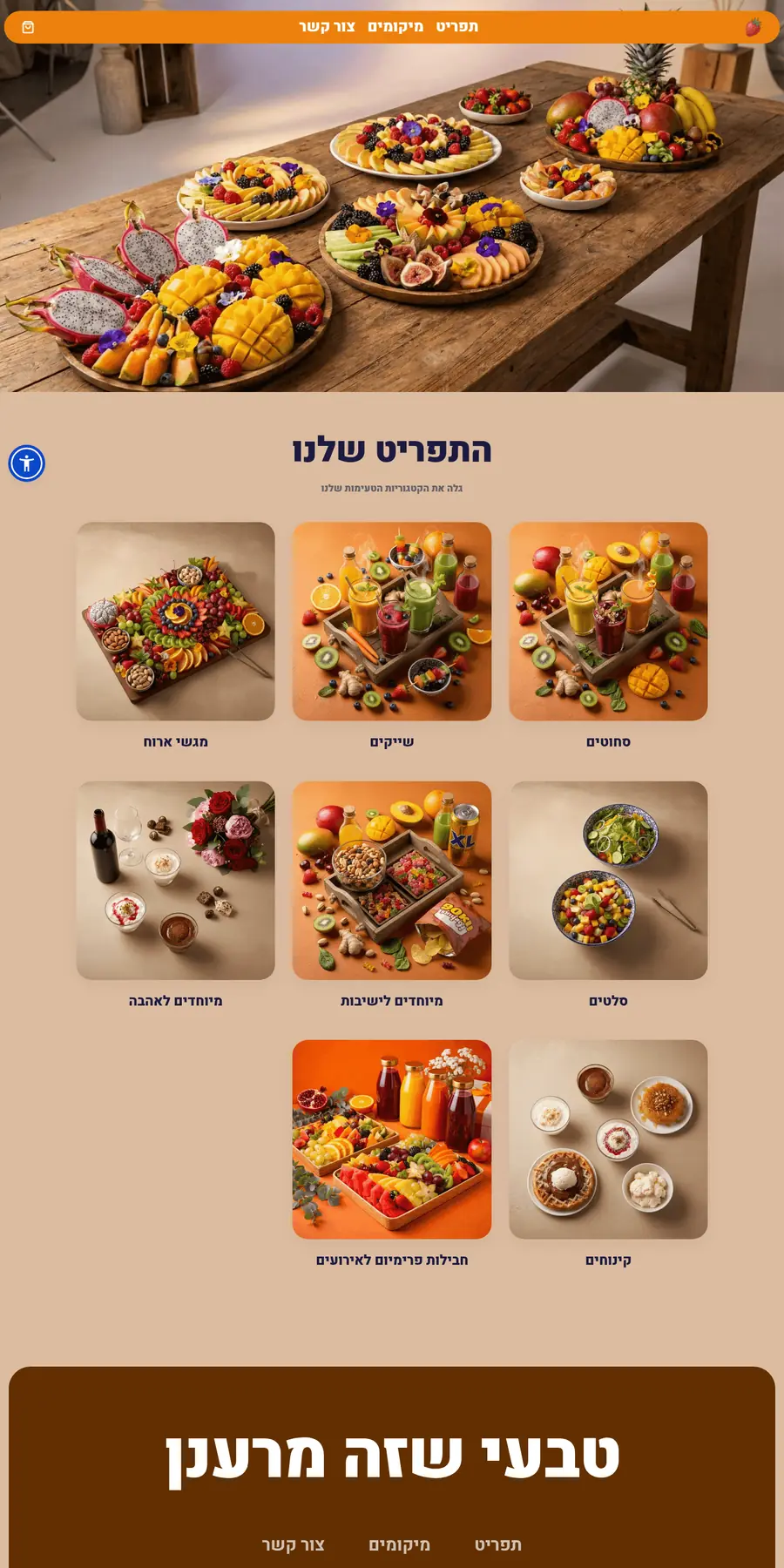
Digital store
Online storeDevelopmentPayments
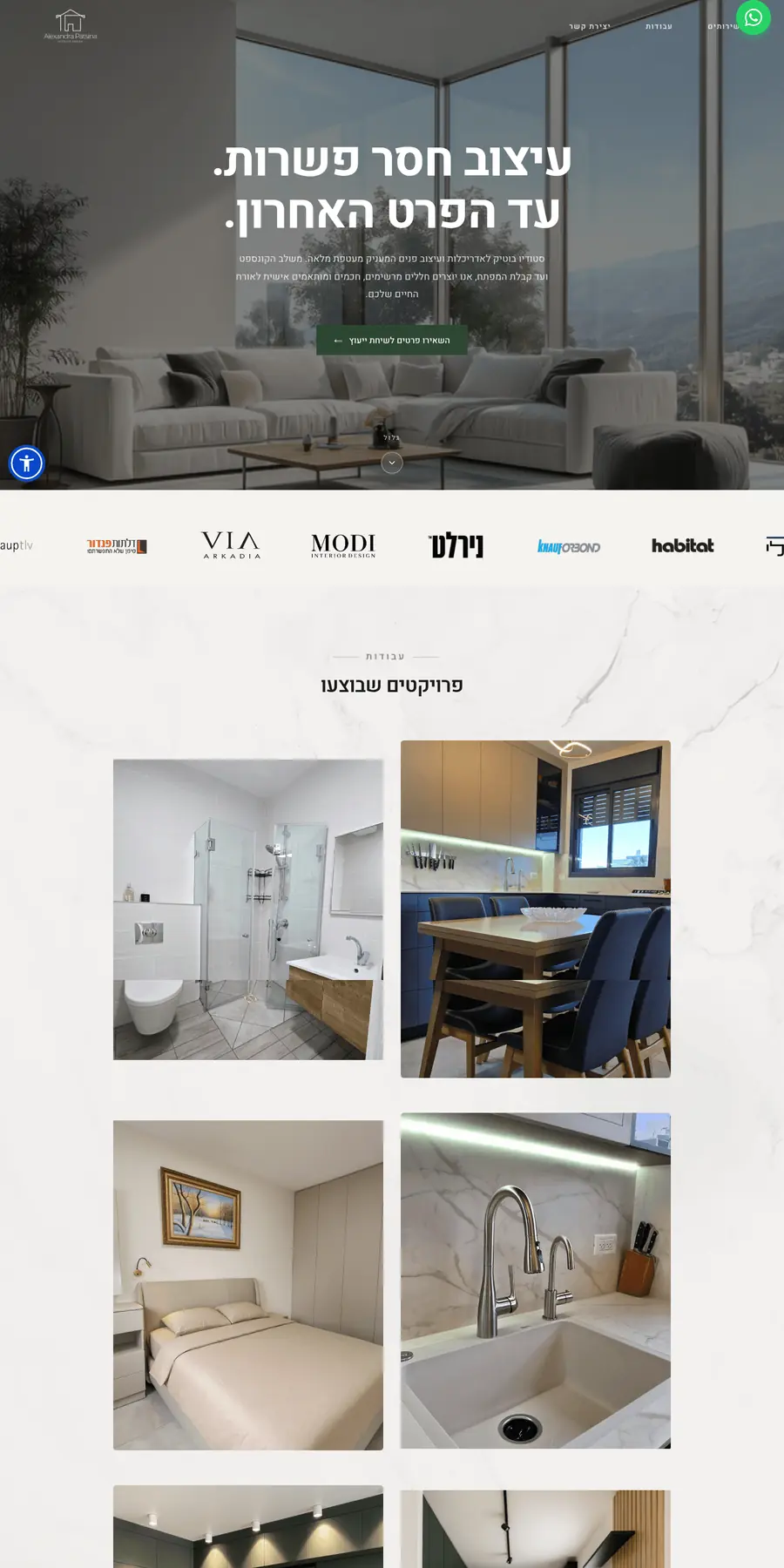
Alexandra Patsina
Brand siteBrandingUI/UX
Before we start a few things worth knowing.
Seventeen live projects built by the same in-house team: four online stores (Neot Sade, ALOVA, Bradley and a digital retail store), eight marketing and lead-generation sites across cosmetics, grooming and personal branding (Hofit Cosmetics, Maayan Vaknin, Karin Cohen, Olie 6, Alexandra Patsina, Sous Chef, Eli Ben Yitzhak, Natan Borochov), one real-estate marketing project, one digital-promotion programme for a mortgage advisory practice and three AI and operations platforms for clients in Canada (Zentax, Apprify, Tech Embassy). Each has its own page setting out the business objective, the systems it was connected to and what was actually built. All of them were written in code, the sites in React and Next.js and the platforms in ASP.NET and React Native, instead of being assembled from a template and a stack of plugins, which is why the same team can also maintain and extend them afterwards.
Yes. All seventeen are running in production and serving real customers today; none of them are concepts, demos or unbuilt pitches. Several are also under ongoing maintenance and organic search work with us, so the team that built the site is the team that keeps it updated and ranking. When a client takes a project offline or moves it to another supplier, we remove it from the portfolio rather than leaving it there to pad the list. During a discovery call you can ask to see whichever project is closest to your own situation live on screen, including its load speed, its behaviour on mobile and the analytics behind it, so you are judging measured performance rather than a static image.
Not necessarily, because what repeats across these projects is the shape of the problem rather than the sector. A catalogue that has to sell, a form that has to generate qualified enquiries, a system that has to talk to Greeninvoice or a CRM, and a site that has to rank in Hebrew are the same engineering problems whether the business sells skincare, mortgages or catering. The portfolio happens to concentrate in cosmetics and skincare, online retail, real estate, financial advice and personal brands. In discovery we show the structurally closest project — a store with live inventory management if you are in retail, a lead site with conversion tracking if you sell a professional service — and set out explicitly which parts would carry over to your build and which would be designed from scratch.
You do. At handover you receive the code repository, the deployment pipeline to the server, and the credentials for every connected service: hosting, domain, payment processing, invoicing and analytics. Nothing is retained in our name and no component stops working if you leave, so you can move the site to another developer at any point without rebuilding it. That is the practical difference from closed platforms such as Wix or Shopify, where the content and the design are yours but the system running them is not. Design source files and brand assets are handed over as well, which means any future supplier can continue from exactly where we stopped instead of reverse-engineering the site or starting again from a blank page.
A marketing or lead-generation site on the scale of the ones shown here is normally delivered within two to six weeks from the moment the specification is approved. An online store with a catalogue, Israeli card clearing, an invoicing connection to Morning or Greeninvoice and inventory management runs from one to three months depending on catalogue size and the number of integrations. A custom platform with user permissions and real business logic takes longer than either. In practice the schedule is extended by content, photography and client approvals far more often than by engineering time, which is why those items are locked during the specification stage rather than chased once the build is already under way.
Yes. We introduce prospective clients to existing ones working on a comparable project, once the existing client has agreed to it. The useful questions in that conversation are the ones a portfolio cannot answer: how quickly someone responds after launch, how small change requests are handled in practice, and whether the figure in the original quote is the figure that was eventually paid. Alongside that, every quote we issue states in writing what is included and what is excluded, so you can compare it against competing proposals on the same terms instead of comparing bottom-line numbers that quietly cover different amounts of work. If a proposal you receive from anyone will not put that detail in writing, treat the omission as information.