

Facebook and Instagram Ads in 2026: What Works
Meta's AI now runs the targeting, so the creative is what sells. How short video, remarketing and a fast funnel turn scrolling into customers.

In short (TL;DR): Advertising on Facebook and Instagram in 2026 means paid campaigns across Meta's platforms, where artificial intelligence runs the targeting and the creative is what sells. The keys to a real return: short, authentic video, remarketing to a warm audience, and a complete funnel that runs from the ad to a fast landing page and on to a lead in WhatsApp.
Your customers spend hours a day scrolling the feed — on Instagram, on Facebook, through a five-second clip. The only question is whether they meet you there or your competitors. Advertising on Facebook and Instagram remains one of the strongest tools in digital marketing for business, but the rules of the game in 2026 are nothing like what worked two years ago. Anyone still running campaigns the old way is simply burning budget.
Why creative has become the real targeting
Meta's advertising system has been through a revolution. AI-driven campaigns such as Advantage+ now find the right audience better than any manual targeting can. According to Meta for Business, the company's platforms reach several billion active users every month — so the challenge is no longer finding an audience, it is stopping one. The implication surprises most advertisers: the real targeting has moved into the creative. The ad itself — the video, the image, the message — is what decides who the system shows you to and at what price. Investing in professional creative is no longer a luxury; it is the heart of the campaign.
What content stops the scroll in 2026?
People smell an advert a mile off and keep scrolling. What stops the scroll in 2026 is content that feels real: short videos shot at eye level, customers describing an actual experience, a look behind the scenes of the business. At Aiterra the work starts with the strategy and the script, runs through filming and production, and ends with versions cut for each placement — feed, Reels and Stories — because a good ad is a good story first and an advert second.
What defines an ad that works in 2026?
- The first three seconds: a strong hook that stops the thumb before the sales message even begins.
- Subtitles, always: most people watch with the sound off, and on-screen text raises watch-through dramatically.
- Full-screen vertical format: built for Reels and Stories, not a landscape clip squeezed into the feed.
- One clear call to action: exactly what you want the viewer to do after watching — enquire, sign up or buy.
Why is remarketing the audience closest to buying?
Someone who visited the site, watched most of a video or added to the basket without buying is your warmest lead. A properly built remarketing campaign meets them again with the right message at the right moment, and its cost per conversion is dramatically lower than a cold campaign. That is the first step we build into every media plan — before increasing budgets on new audiences. Here is the difference in practice:
| Parameter | Cold audience | Remarketing |
|---|---|---|
| Who is the audience? | People who do not know you yet | Anyone who already visited, watched or added to basket |
| Campaign goal | Reach and demand creation | Closing the conversion |
| Relative cost per conversion | High | Dramatically lower |
| When to use it | Expanding to a new audience | The first step, before scaling budget |
How do you build a funnel that turns an ad into a paying customer?
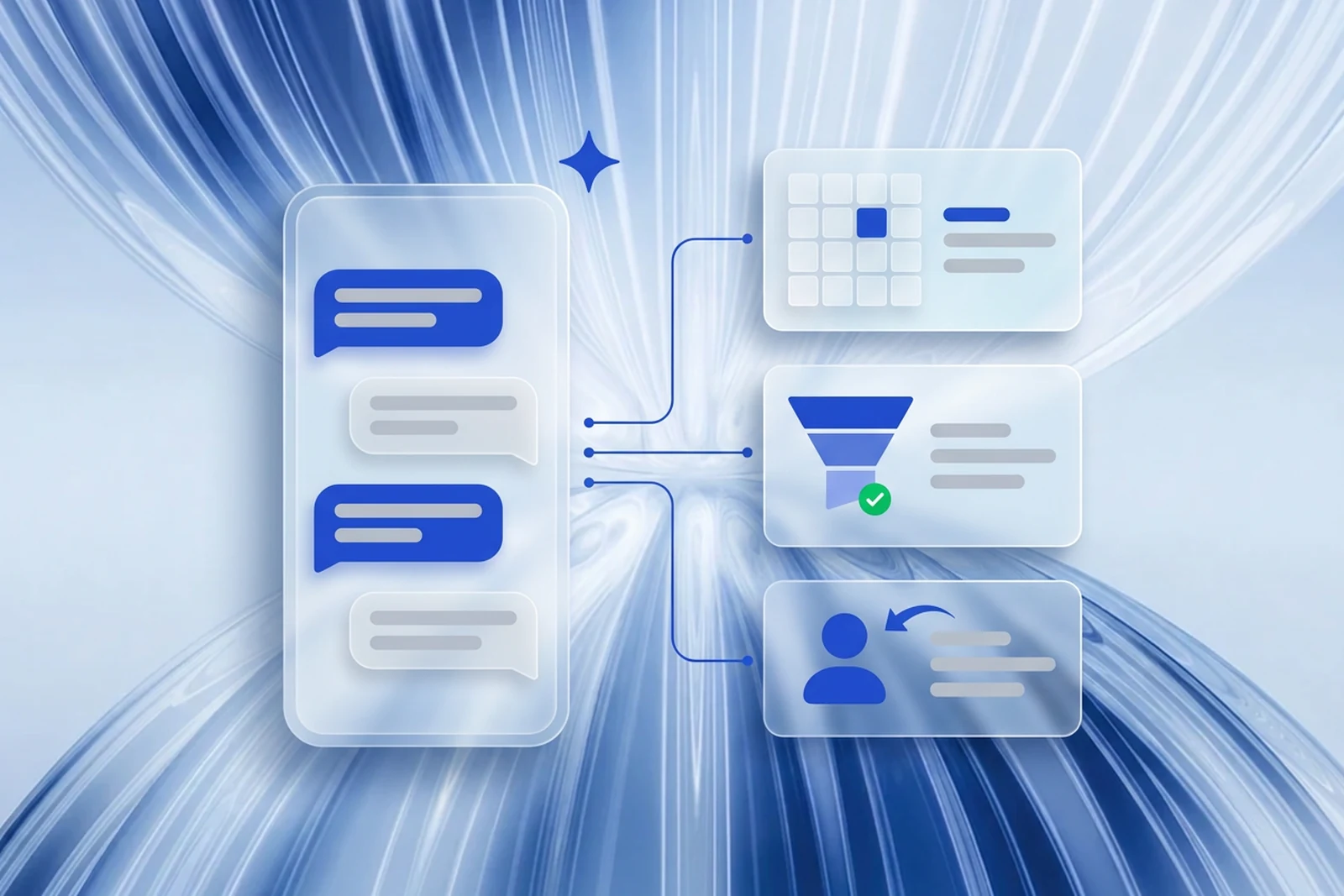
An excellent campaign that leads to a slow page is money thrown away. Because we are a development agency as well, your ads lead to fast landing pages built for conversion, and every enquiry drops automatically into the CRM and gets an immediate reply on WhatsApp — before the lead has time to cool. When every link in the chain is connected, the same media budget produces several times more customers, without spending another shekel on media itself.
How much budget do you need to start?
Less than you think. It is better to start with a measured budget, give the system a learning phase of several days, measure a real cost per lead — and only then scale up confidently on what works. Increasing the budget on an imprecise campaign only increases the loss. The simple rule: first make sure the maths works at the level of a single lead, then pour in the fuel. For a typical local business, a modest starting budget is enough to gather reliable data within two to three weeks and make an evidence-based decision about continuing the investment.
Want to know how many new customers the feed could bring you? Leave your details now and we will build you a full social strategy — from the creative through to the lead in WhatsApp.
Want campaigns that return the investment? Take a look at Aiterra's paid advertising service, or leave your details for a consultation at no cost.